


Benadryl is an allergy medication that is safe for dogs, too. It can be used to treat allergy symptoms like sneezing, runny nose, swelling, itching, and more. Check out our FAQ guide on Benadryl for dogs so that you can give your dog medication safely.
What is Benadryl?
Benadryl is an over-the-counter medication that people take for allergic reactions and allergy symptoms such as sneezing, runny nose, watery eyes, hives or skin rash, and itching. Benadryl’s active ingredient is diphenhydramine, which is an antihistamine that works by blocking H-1 receptors in the body. Allergy symptoms are reduced when these H-1 receptors are blocked.
Is Benadryl safe for dogs?
Yes, Benadryl is safe for dogs and is often recommended by vets to help in a variety of situations including allergies, allergic reactions, itching, motion sickness, and anxiety. However, Benadryl is a medication and should not be given to your dog without consulting your vet.
If your dog gets stung by a bee and has swelling, or tends to have reactions after vaccines, Benadryl may help mitigate these symptoms. Benadryl is also a mild sedative that causes drowsiness, so it can help dogs who might get motion sickness during car rides or airplane travel. It can also be used to help calm down dogs during stressful events such as fireworks, thunderstorms, or moving.
Benadryl is NOT safe for dogs with high blood pressure, cardiovascular disease, or glaucoma. Benadryl can cause problems for dogs with certain medical conditions. It can also be dangerous when taken with other medications, so checking with your vet is vital before giving them any allergy medications.
What’s the proper Benadryl dosage for dogs?
The typical dosage of Benadryl is 1mg per pound of body weight, given no more than twice or three times a day. You should always consult your vet before giving your dog any medication. Your vet will determine the proper amount of Benadryl depending on your dog’s weight, age, breed, and health condition. Make sure to check the ingredients of your Benadryl label for diphenhydramine, the active ingredient safe for your dog. Different types of Benadryl may have other ingredients that are not safe for your pet to ingest.
What happens if my dog takes too much Benadryl?
Benadryl poisoning happens when your dog takes too much of the medication. Benadryl poisoning can cause symptoms like difficulty breathing, an abnormal heart rate, aggression, extreme drowsiness, or problems with blood pressure. If your dog displays any abnormal behaviors or symptoms after taking Benadryl, consult your vet right away. To avoid Benadryl poisoning, keep all medications out of reach from your dog and ensure you always give them the proper dosage.
--
Check out our blog for more health tips, tricks, and stories—including this post about Search and Rescue Dogs.
Comments will be approved before showing up.


With so many different dog treats on the market, knowing what works best for your specific situation will save you time, money, and ensure your pup gets maximum enjoyment from every reward.
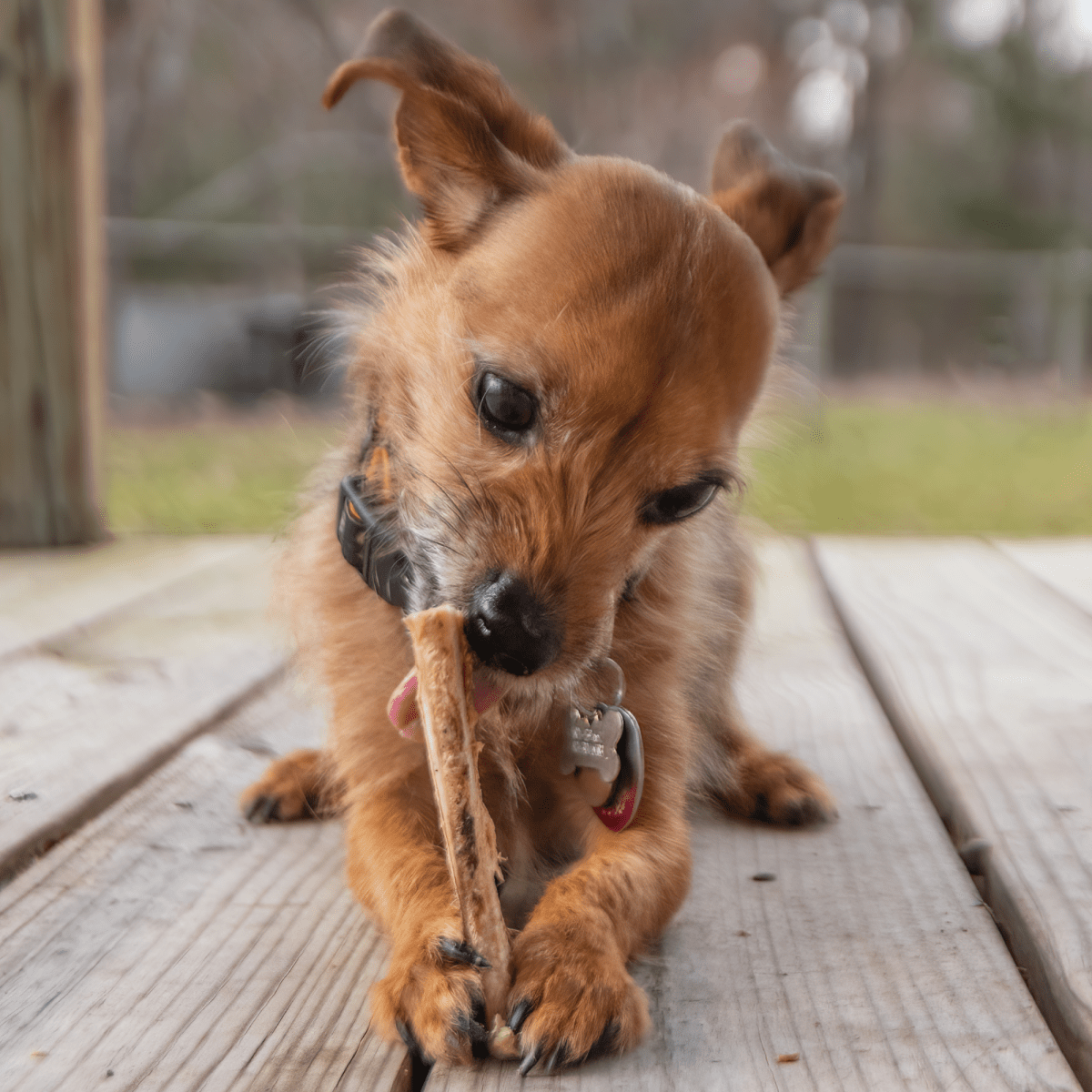

Choosing the perfect chew for your small dog can be tough, as it's not a one-size-fits-all situation. Learn about the best chew bones for your small dog here!

